August 27, 2026
Suicide is a leading cause of death among working-age adults in the United States. It deeply impacts workers, families, and communities. Fortunately, like other workplace fatalities, suicides can be prevented. Below are 5 things to know about preventing suicide.
August 26, 2026
Research at North Dakota State University shows that strategic deployment of advance air mobility, an emerging transportation system that uses highly automated, electric vertical takeoff and landing (eVTOL) aircraft, could reduce wear and tear on roads and bridges, reduce congestion, improve safety, and improve delivery reliability for high-value and time-critical goods
August 25, 2026
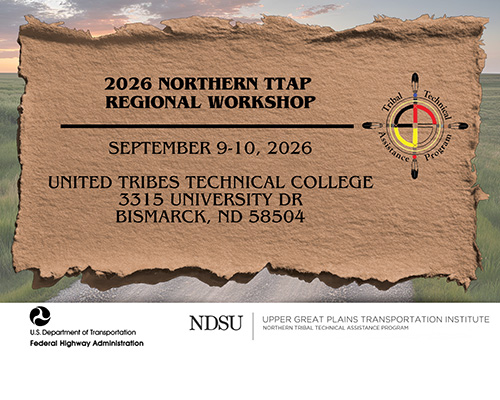
Northern TTAP is excited to resume the longstanding tradition of having a regional workshop leading up to the United Tribes Technical College International Powwow. This event will take place on the UTTC campus and will feature two tracks: transportation and transit.
August 25, 2026
Monthly reports for the North Dakota Grain Industry Data (Grain Trax) page were updated on August 21, 2026.
August 18, 2026
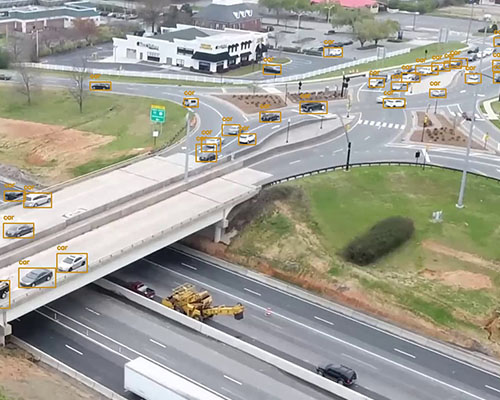
Researchers developed five new crash modification factors, which are indicators of expected changes in crashes after implementing innovative intersection designs. Coupled with a traffic simulation procedure, those factors empower agencies to optimize infrastructure investments and save lives without implementing more costly interchanges.
August 17, 2026
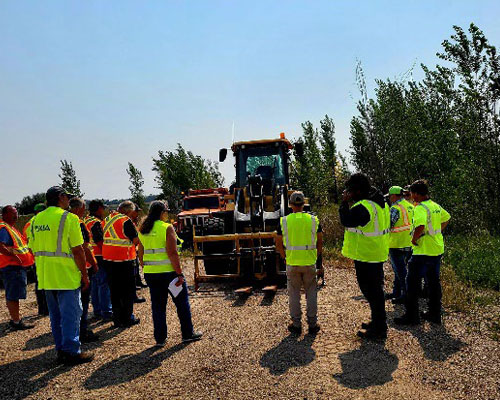
This issue includes tips on managing gravel roads under hot dry summer conditions, the use of advisory speed plaques to improve safety and a calendar of upcoming training events. The newsletter also includes a summary of the transportation safety plan recently updated for the Wind River Reservation in Wyoming. The plan may provide guidance for other reservations looking to develop or update their own safety plans.
August 13, 2026
Nine treatment court teams from North Dakota and Minnesota—representing approximately 85–90 treatment court professionals—recently came together to learn about updated treatment court best practices and explore ways to put those practices into action within their programs.
August 3, 2026
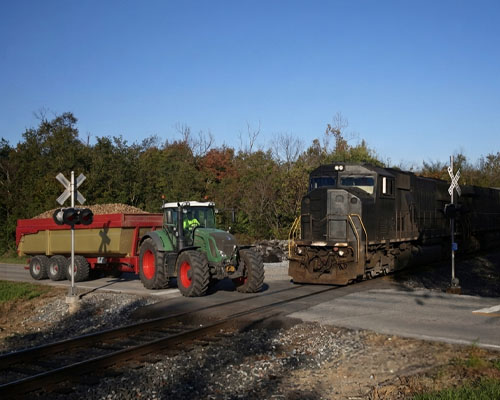
Recent national trends, however, suggest that these gains may have slowed, raising the question of whether HRGC safety has entered a persistent plateau. This study investigates whether the historical decline in U.S. HRGC incidents has transitioned into a statistically distinct safety regime and whether the factors associated with casualty occurrence have changed following that transition.
July 23, 2026
Highway–rail grade crossing (HRGC) incidents in the United States declined substantially for several decades before stabilizing in recent years. Understanding this persistence is important because future safety improvements may depend on identifying locations where incident occurrence remains resistant to further reduction.
July 7, 2026
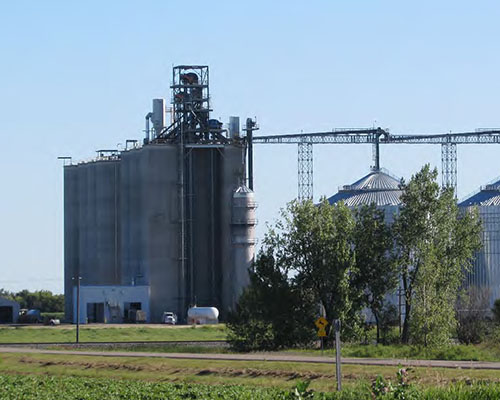
The 2024-2025 Annual ND Elevator Marketing Report is now available online. This report provides a benchmark for elevator managers in assessing performance and supply and serves as a source for recognizing trends in the characteristics of ND elevators.
July 7, 2026
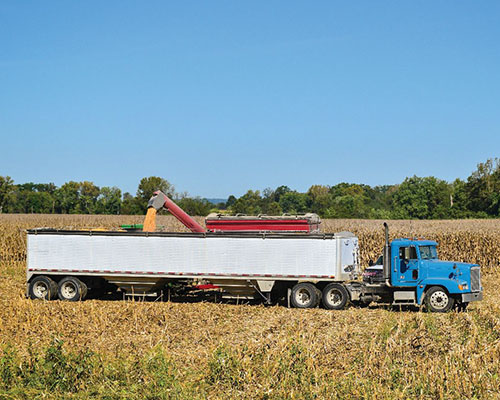
The 2024-2025 ND Oilseed Transportation Statistics report is now available. For 70 years NDSU has published this report to provide a database for identifying trends in the distribution of grain and oilseeds from North Dakota.
June 30, 2026
As the maintenance forces begin to shift their work focus from winter/spring to summer activities, it is time to begin thinking about our mowing operations. In this safety talk, we discuss tips to practice for safe tractor mowing.
June 25, 2026
Monthly reports for the North Dakota Grain Industry Data (Grain Trax) page were updated on June 24, 2026.
U.S. durum production is around 37 million bushels annually. North Dakota is a leader in the U.S. wheat
industry, ranking second among states in total wheat production and first in production of hard red spring
wheat.
June 16, 2026
Highway–rail grade crossing (HRGC) incidents remain a persistent safety concern due to repeated interactions between roadway users and rail operations under varying environmental and operational conditions.
June 15, 2026
The presentations from the second National Tribal Road Maintenance Symposium, held May 5–7, 2026, in Rapid City, South Dakota, are now available online. More than 220 individuals from twenty-one states attended the event, which featured exhibitors and sponsors and offered valuable information on federal road maintenance programs and best practices for Tribal governments. We thank all participants, organizers, exhibitors, sponsors, and partners for their contributions.
June 3, 2026
Learn findings on: How Advanced Aircraft Mobility (AAM) can enhance rural freight logistics while preserving ground transportation infrastructure. When/where aerial freight can complement traditional trucking. Practical opportunities to shift specific freight movements to aircraft; and the value of AAM for certain types of goods, such as pharmaceuticals, hazardous materials, and specialized electronics.
May 21, 2026
Welcome to the Quarterly North Dakota Impaired Driving Newsletter. This resource will provide training information, drug and alcohol trends, legal updates, toxicology,
and more to keep you informed.
May 19, 2026
Toxicology is an important topic, not often covered in judicial education. It’s more like an elective, buried deep in the course catalog. An elective that we all should take but often miss because we are busy taking the required courses, like procedure, torts, contracts and evidence. But wait, toxicology is evidence! This quarterly issue narrows down the topic to what judges and court personnel should know about toxicology. Also, inside this issue of the newsletter are the most recent 2026 North Dakota crash statistics along with the usual case law and resource/training sections.
May 6, 2026
The Upper Great Plains Transportation Institute is seeking an IT Project Manager/Intern Instructor in its Department of Transportation Support Center. The successful candidate will be involved in a wide range of IT related transportation issues and will work with a team of computer science students and engineers to develop and maintain web based applications, databases, and services for transportation agencies at the state and local level of government. Exceptional communication, organizational and technical skills are essential. This is a full-time benefited position. Specific responsibilities include: 1) Manage the DOT Support Center information technology function and teach/instruct student interns; 2) Provide mission critical network support and IT services for the DOT Support Center and Advanced Traffic Analysis Center; 3) Software development and support. A B.S. in computer science and 2 years of professional background in transportation or related application development, database administration, and server administration.
May 1, 2026
Monthly reports for the North Dakota Grain Industry Data (Grain Trax) page were updated on April 29, 2026.
April 30, 2026
Farm equipment roadway crashes most often occur with tractors, planters, combines and other large machinery. Farm trucks and trailers, given their size, weight and speed, are also at risk. Safety experts advise ensuring trucks and trailers are in good operating condition, clearly marked with required lighting and loaded securely.
April 28, 2026
Freight transportation is a critical link in the ND economy, but data on freight transportation are scattered and incomplete. UGPTI researchers are working to remedy that.
April 27, 2026
In the past two years, NDLTAP held 27 training events across the state, where 364 participants learned about gravel quality, motor grader operator training, pulling gravel shoulders, and dust control.
April 24, 2026
Researchers are nearing the end of data collection and analysis for the latest version of a statewide local road and bridge investment needs study. A draft of the study final report will be issued this summer.
April 21, 2026
A third Autonomous Trucking Conference in North Dakota is scheduled for June 24 in Fargo and will highlight the industry’s shift from pilot projects to large-scale commercial deployments. The event will be hosted by the Upper Great Plains Transportation Institute (UGPTI) at North Dakota State University and funded in part by the Federal Motor Carrier Safety Administration.
April 21, 2026
During the week of June 1-7, 2025, trained observers visited 320 sites across 16 counties to collect seat belt use observations for drivers and right front-seat passengers in vehicles with gross vehicle weights up to 10,000 lbs. North Dakota’s seat belt use study provides statistically reliable data from a field survey of driver and right front-seat passenger seat belt use.
April 21, 2026
Last-mile parcel delivery remains a major challenge in rural areas where unpaved roads, long travel distances, and sparse demand limit the efficiency of truck-based logistics. This research provides a practical, data-driven framework for statewide drone logistics planning and demonstrates how rural states can benefit from advanced air mobility solutions.
April 6, 2026
National Work Zone Awareness Week (NWZAW) has been successful in spreading awareness for work zone safety across the country because of participation from organizations and individuals just like you.
April 2, 2026
Brenda Lantz provided an overview of the NDSU-UGPTI Commercial Vehicle Safety Center’s core activities, current research initiatives, and strategic contributions to improving commercial motor vehicle (CMV) safety nationwide.
April 1, 2026
The NDDOT partners with UGPTI in the Western ND Transportation Liaison Program with the goal of providing a seamless multi-jurisdictional transportation system. Matt Johnson serves as Western ND Transportation Liaison.
March 24, 2026
A team training for several North Dakota and Minnesota DUI Treatment Courts will be held August 6-7 at the North Dakota State University Memorial Union in Fargo, ND. The training will be provided by Impaired Driving Solutions, a division of All Rise, delivering research-based and innovative solutions that lead to more effective services for individuals affected by substance use and mental health disorders to eliminate impaired driving.
March 17, 2026
The Western Energy Roundtable will be held Thursday, May 7. Registration is required, however there is no registration fee. The roundtable provides an opportunity for county leadership in the western oil counties to glean recent technical information and share best practices with their peers.
March 5, 2026
The December 2025 North Dakota Dry Bean Stock Report is now online.
February 28, 2026
The event will be held in Box Elder, SD, just outside of Rapid City, and will focus on advancing the skills of Tribal leaders, transportation administrators, managers, equipment operators, maintenance crews and others. Experts will share experience and knowledge on improving road maintenance practices and advancing Tribal transportation infrastructure and safety.
February 27, 2026
This issue of the newsletter will cover screening and assessment and some of the informational tools available to judges and court personnel. The sooner that impaired drivers can be screened, assessed and connected with services, the better informed decision making will be throughout the criminal justice process. I believe this statement is true for almost all defendants.
February 26, 2026
Machine related injuries and fatalities are a major concern across industries. Machines are essential to many work tasks. They have built-in capabilities like motion, force, high temperature, and other energy sources, which contribute to its potential for causing harm.
February 25, 2026
Monthly reports for the North Dakota Grain Industry Data (Grain Trax) page were updated on February 25, 2026.
February 18, 2026
The model, developed for the Central Dakota Metropolitan Planning Organization (Minot, Surrey and Burlington) incorporated new data, reflects current real-world travel patterns and integrates advancements in transportation modeling techniques to allow accurate forecasts of traffic demand.
February 10, 2026
This project, spanning the year 2025, added 17 City intersections, increasing the total number of data-reporting locations to 19. Similar to the North Dakota DOT-sponsored pilot project, this phase of traffic data collection and reporting leveraged existing infrastructure, eliminating the need to purchase or maintain additional traffic data collection devices. The previously underutilized capabilities of existing transportation infrastructure, combined with UGPTI’s cross-cutting expertise and innovative approach, have made it possible to collect traffic data 24 hours per day, 7 days per week, and 365 days per year.
January 15, 2026
The ND Local Technical Assistance Program (NDLTAP) recently launched a “Safety Warrior” art contest designed to teach fourth and fifth graders about roadway safety. The program is a joint effort of NDLTAP, the Western Dakota Energy Association, and North Dakota Vision Zero.
January 13, 2026
The Federal Motor Carrier Safety Administration recently awarded two grants totaling more than $1.9 million to the Upper Great Plains Transportation Institute (UGPTI) at North Dakota State University. The awards will support two projects to enhance commercial vehicle safety and explore deployment of autonomous trucks in rural areas.
January 8, 2026
A comprehensive update with contributions from ATAC researchers includes: new stakeholders (including ATAC), refined service packages that align with MPO objectives, improved clarity and usability, new agreements that strengthen operational reliability, project architecture guidance, and an updated ITS inventory. This collaborative effort with participation from engineering, information technology, public works, and highway departments, emergency management, law enforcement, fire services, ambulance units, highway patrol, and the sheriff’s office played a crucial role in developing a robust, actionable framework to steer the region’s ITS initiatives.
January 2, 2026
Researchers at the University of Colorado Denver are recommending changes to how municipalities collect data on signalized intersections so that pedestrian safety can be improved. With the knowledge that pedestrian fatalities account for approximately 17% of road fatalities, and a frightening number of those occur at intersections where pedestrians have the right-of-way, the researchers studied how and where traffic signals for left-turning traffic that provided protection for pedestrians were implemented.
December 22, 2025
Efficient last-mile delivery remains a critical challenge for rural agricultural logistics, globally, particularly in cold-climate regions with dispersed agricultural operations. Truck–drone hybrids can reduce delivery times but face payload limits, cold-weather battery loss, and beyond-visual-line-of-sight regulations.
December 12, 2025
From road signs and culverts to pavements and roadbeds, North Dakota’s county road superintendents and engineers must make complex decisions about how to use scarce dollars to manage, maintain, and upgrade millions of dollars of transportation assets that are critical to the livelihood and quality of life of area residents. Over the last decade, the Upper Great Plains Transportation Institute (UGPTI), with support from the N.D. Department of Transportation and the N.D. Legislature, has developed an online tool to help guide those decisions.
December 11, 2025
Local agencies across North Dakota are ensuring that bridges are safe and in service longer thanks to training provided by UGPTI’s North Dakota Local Technical Assistance Program (NDLTAP).
December 9, 2025
A closer look at truck crashes during severe winter weather in North Dakota is yielding clues on how to reduce risks and travel disruptions on the state’s interstate highways. The research was conducted by researchers at the Upper Great Plains Transportation Institute at North Dakota State University.
December 1, 2025
Researchers at the University of Colorado Denver found that mobile sensing capabilities found in newer iPhones can be a cost-effective way to assess if sidewalks, curb ramps, and other infrastructure are accessible to those with disabilities.
November 26, 2025
Forget boots — some sidewalks require ice skates. Winter in North Dakota can be beautiful, but ice and snow increase the risk of falling.
November 21, 2025
Research at South Dakota State University is leading to improved compaction of roadway base materials, resulting in time savings, safer testing procedures, and longer-lasting pavements.
November 20, 2025
University of Wyoming researchers used advanced statistical modeling, machine learning, data mining applications, safety data visualizations, high-fidelity driving simulator experiments, and traffic microsimulation modeling to evaluate CV technologies. Their work is a crucial first step in identifying the issues associated with integrating CV technology into roadway operational strategies.
November 17, 2025
This issue of the newsletter will cover screening/assessment and some of the monitoring tools available to judges to ensure compliance with supervision conditions and to ensure community safety. Also, inside this issue of the newsletter are the most recent North Dakota crash statistics along with the case law and resource/training sections. Finally, the wellness corner has a couple of new suggestions from readers that can help maintain and/or enhance your well-being.
November 6, 2025
Research at the University of Wyoming leveraged easily accessible data from roadside cameras to develop an affordable automatic road weather and surface condition detection system. The project’s results will help enhance the Advanced Traveler Information System by improving the identification of weather conditions using existing WYDOT infrastructure.
October 31, 2025
Research at the University of Utah is providing a scalable, privacy-preserving solution for improving culvert condition prediction. This method will enable transportation agencies to make more data-driven, proactive maintenance decisions.
October 29, 2025
Monthly reports for the North Dakota Grain Industry Data (Grain Trax) page were updated on October 29, 2025.
October 16, 2025
A new method for improving measurements of soil shear stress, erosion, and scour will help engineers design bridges that are more resilient and longer-lasting.
October 10, 2025
Dr. Kari Finley, a research scholar and Director for the Center for Health and Safety Culture at Montana State University, recently gave a webinar to discover how beliefs shape driving behaviors and how to amplify protective beliefs to improve safety on our roadways. You’ll learn strategies for changing traffic safety culture and get practical guidance to address risky driving behaviors.
October 10, 2025
Bridges are critical nodes in freight networks, yet limited funding prevents agencies from maintaining all structures in good condition. This creates the need for a transparent and scalable method to identify which bridges pose the greatest risk to supply chain continuity.
September 30, 2025
The statewide driver traffic safety survey provides baseline and longitudinal metrics for the Highway Safety Division and others to use in understanding perceptions and self-reported behaviors related to focus issues. A core set of questions addresses nationally agreed upon priorities, including seat belts, impaired driving, and speeding. In addition to the core issues, questions were included to better understand views on specific programs and attitudes pertinent to North Dakota drivers. Results show that more North Dakota drivers have adopted safe driving practices, but additional efforts are needed to improve safety on the state’s roads.
September 18, 2025
The July 2025 North Dakota Dry Bean Stock Report is now online.
 You are viewing a page through the WEBDEV website, which is used for testing. Aspects of the overall website may not function as expected.
 August 27, 2026Suicide is a leading cause of death among working-age adults in the United States. It deeply impacts workers, families, and communities. Fortunately, like other workplace fatalities, suicides can be prevented. Below are 5 things to know about preventing suicide.
 August 26, 2026Research at North Dakota State University shows that strategic deployment of advance air mobility, an emerging transportation system that uses highly automated, electric vertical takeoff and landing (eVTOL) aircraft, could reduce wear and tear on roads and bridges, reduce congestion, improve safety, and improve delivery reliability for high-value and time-critical goods
 August 25, 2026Northern TTAP is excited to resume the longstanding tradition of having a regional workshop leading up to the United Tribes Technical College International Powwow. This event will take place on the UTTC campus and will feature two tracks: transportation and transit.
 August 25, 2026Monthly reports for the North Dakota Grain Industry Data (Grain Trax) page were updated on August 21, 2026.
 August 18, 2026Researchers developed five new crash modification factors, which are indicators of expected changes in crashes after implementing innovative intersection designs. Coupled with a traffic simulation procedure, those factors empower agencies to optimize infrastructure investments and save lives without implementing more costly interchanges.
 August 17, 2026This issue includes tips on managing gravel roads under hot dry summer conditions, the use of advisory speed plaques to improve safety and a calendar of upcoming training events. The newsletter also includes a summary of the transportation safety plan recently updated for the Wind River Reservation in Wyoming. The plan may provide guidance for other reservations looking to develop or update their own safety plans.
 August 13, 2026Nine treatment court teams from North Dakota and Minnesota—representing approximately 85–90 treatment court professionals—recently came together to learn about updated treatment court best practices and explore ways to put those practices into action within their programs.
 August 3, 2026Recent national trends, however, suggest that these gains may have slowed, raising the question of whether HRGC safety has entered a persistent plateau. This study investigates whether the historical decline in U.S. HRGC incidents has transitioned into a statistically distinct safety regime and whether the factors associated with casualty occurrence have changed following that transition.
 July 23, 2026Highway–rail grade crossing (HRGC) incidents in the United States declined substantially for several decades before stabilizing in recent years. Understanding this persistence is important because future safety improvements may depend on identifying locations where incident occurrence remains resistant to further reduction.
 July 7, 2026The 2024-2025 Annual ND Elevator Marketing Report is now available online. This report provides a benchmark for elevator managers in assessing performance and supply and serves as a source for recognizing trends in the characteristics of ND elevators.
 July 7, 2026The 2024-2025 ND Oilseed Transportation Statistics report is now available. For 70 years NDSU has published this report to provide a database for identifying trends in the distribution of grain and oilseeds from North Dakota.
 June 30, 2026As the maintenance forces begin to shift their work focus from winter/spring to summer activities, it is time to begin thinking about our mowing operations. In this safety talk, we discuss tips to practice for safe tractor mowing.
 June 16, 2026Highway–rail grade crossing (HRGC) incidents remain a persistent safety concern due to repeated interactions between roadway users and rail operations under varying environmental and operational conditions.
 June 15, 2026The presentations from the second National Tribal Road Maintenance Symposium, held May 5–7, 2026, in Rapid City, South Dakota, are now available online. More than 220 individuals from twenty-one states attended the event, which featured exhibitors and sponsors and offered valuable information on federal road maintenance programs and best practices for Tribal governments. We thank all participants, organizers, exhibitors, sponsors, and partners for their contributions.
 June 3, 2026Learn findings on: How Advanced Aircraft Mobility (AAM) can enhance rural freight logistics while preserving ground transportation infrastructure. When/where aerial freight can complement traditional trucking. Practical opportunities to shift specific freight movements to aircraft; and the value of AAM for certain types of goods, such as pharmaceuticals, hazardous materials, and specialized electronics.
 May 21, 2026Welcome to the Quarterly North Dakota Impaired Driving Newsletter. This resource will provide training information, drug and alcohol trends, legal updates, toxicology, and more to keep you informed.
 May 19, 2026Toxicology is an important topic, not often covered in judicial education. It’s more like an elective, buried deep in the course catalog. An elective that we all should take but often miss because we are busy taking the required courses, like procedure, torts, contracts and evidence. But wait, toxicology is evidence! This quarterly issue narrows down the topic to what judges and court personnel should know about toxicology. Also, inside this issue of the newsletter are the most recent 2026 North Dakota crash statistics along with the usual case law and resource/training sections.
 May 6, 2026The Upper Great Plains Transportation Institute is seeking an IT Project Manager/Intern Instructor in its Department of Transportation Support Center. The successful candidate will be involved in a wide range of IT related transportation issues and will work with a team of computer science students and engineers to develop and maintain web based applications, databases, and services for transportation agencies at the state and local level of government. Exceptional communication, organizational and technical skills are essential. This is a full-time benefited position. Specific responsibilities include: 1) Manage the DOT Support Center information technology function and teach/instruct student interns; 2) Provide mission critical network support and IT services for the DOT Support Center and Advanced Traffic Analysis Center; 3) Software development and support. A B.S. in computer science and 2 years of professional background in transportation or related application development, database administration, and server administration.
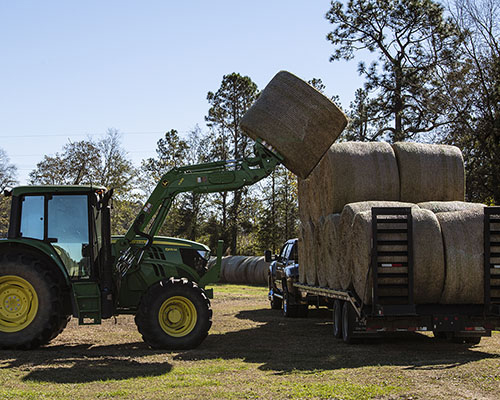 April 30, 2026Farm equipment roadway crashes most often occur with tractors, planters, combines and other large machinery. Farm trucks and trailers, given their size, weight and speed, are also at risk. Safety experts advise ensuring trucks and trailers are in good operating condition, clearly marked with required lighting and loaded securely.
 April 28, 2026Freight transportation is a critical link in the ND economy, but data on freight transportation are scattered and incomplete. UGPTI researchers are working to remedy that.
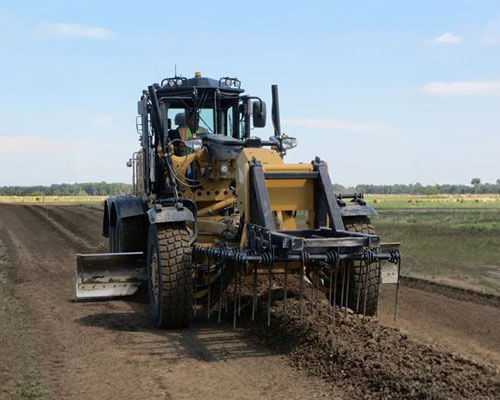 April 27, 2026In the past two years, NDLTAP held 27 training events across the state, where 364 participants learned about gravel quality, motor grader operator training, pulling gravel shoulders, and dust control.
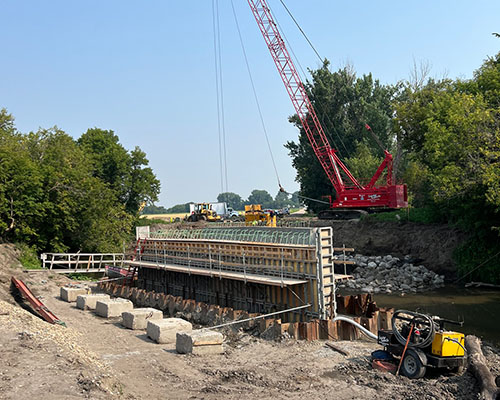 April 24, 2026Researchers are nearing the end of data collection and analysis for the latest version of a statewide local road and bridge investment needs study. A draft of the study final report will be issued this summer.
 April 21, 2026A third Autonomous Trucking Conference in North Dakota is scheduled for June 24 in Fargo and will highlight the industry’s shift from pilot projects to large-scale commercial deployments. The event will be hosted by the Upper Great Plains Transportation Institute (UGPTI) at North Dakota State University and funded in part by the Federal Motor Carrier Safety Administration.
 April 21, 2026During the week of June 1-7, 2025, trained observers visited 320 sites across 16 counties to collect seat belt use observations for drivers and right front-seat passengers in vehicles with gross vehicle weights up to 10,000 lbs. North Dakota’s seat belt use study provides statistically reliable data from a field survey of driver and right front-seat passenger seat belt use.
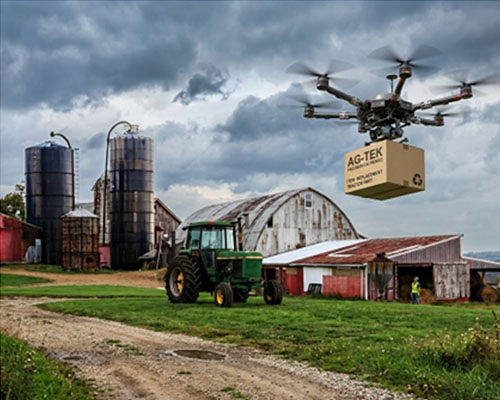 April 21, 2026Last-mile parcel delivery remains a major challenge in rural areas where unpaved roads, long travel distances, and sparse demand limit the efficiency of truck-based logistics. This research provides a practical, data-driven framework for statewide drone logistics planning and demonstrates how rural states can benefit from advanced air mobility solutions.
 April 6, 2026National Work Zone Awareness Week (NWZAW) has been successful in spreading awareness for work zone safety across the country because of participation from organizations and individuals just like you.
 April 2, 2026Brenda Lantz provided an overview of the NDSU-UGPTI Commercial Vehicle Safety Center’s core activities, current research initiatives, and strategic contributions to improving commercial motor vehicle (CMV) safety nationwide.
 April 1, 2026The NDDOT partners with UGPTI in the Western ND Transportation Liaison Program with the goal of providing a seamless multi-jurisdictional transportation system. Matt Johnson serves as Western ND Transportation Liaison.
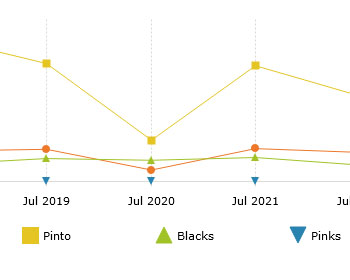 March 5, 2026The December 2025 North Dakota Dry Bean Stock Report is now online.
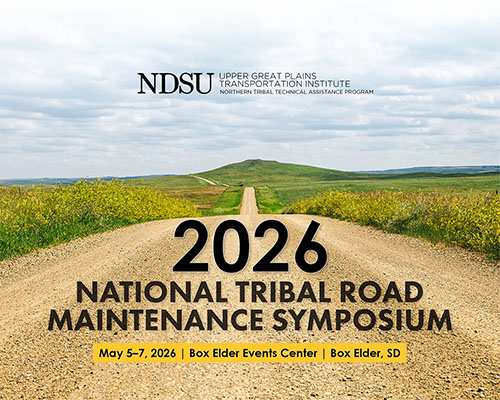 February 28, 2026The event will be held in Box Elder, SD, just outside of Rapid City, and will focus on advancing the skills of Tribal leaders, transportation administrators, managers, equipment operators, maintenance crews and others. Experts will share experience and knowledge on improving road maintenance practices and advancing Tribal transportation infrastructure and safety.
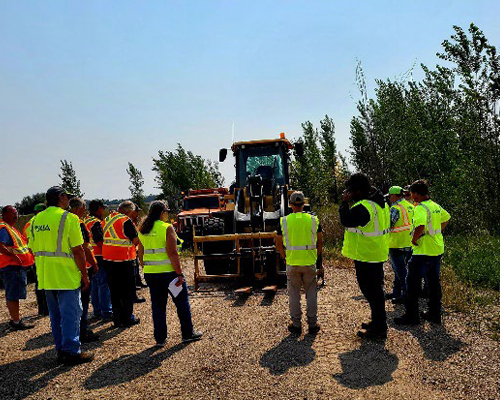 February 26, 2026Machine related injuries and fatalities are a major concern across industries. Machines are essential to many work tasks. They have built-in capabilities like motion, force, high temperature, and other energy sources, which contribute to its potential for causing harm.
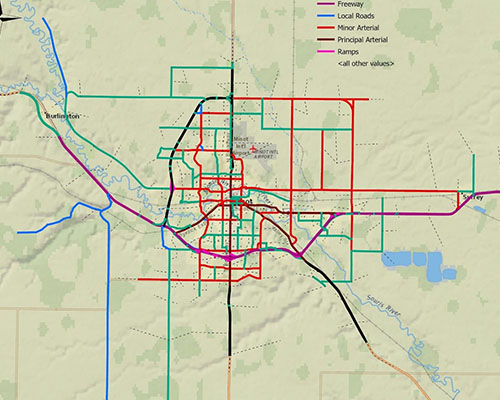 February 18, 2026The model, developed for the Central Dakota Metropolitan Planning Organization (Minot, Surrey and Burlington) incorporated new data, reflects current real-world travel patterns and integrates advancements in transportation modeling techniques to allow accurate forecasts of traffic demand.
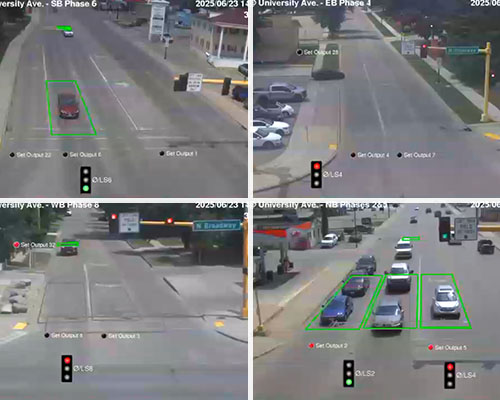 February 10, 2026This project, spanning the year 2025, added 17 City intersections, increasing the total number of data-reporting locations to 19. Similar to the North Dakota DOT-sponsored pilot project, this phase of traffic data collection and reporting leveraged existing infrastructure, eliminating the need to purchase or maintain additional traffic data collection devices. The previously underutilized capabilities of existing transportation infrastructure, combined with UGPTI’s cross-cutting expertise and innovative approach, have made it possible to collect traffic data 24 hours per day, 7 days per week, and 365 days per year.
 January 15, 2026The ND Local Technical Assistance Program (NDLTAP) recently launched a “Safety Warrior” art contest designed to teach fourth and fifth graders about roadway safety. The program is a joint effort of NDLTAP, the Western Dakota Energy Association, and North Dakota Vision Zero.
 January 13, 2026The Federal Motor Carrier Safety Administration recently awarded two grants totaling more than $1.9 million to the Upper Great Plains Transportation Institute (UGPTI) at North Dakota State University. The awards will support two projects to enhance commercial vehicle safety and explore deployment of autonomous trucks in rural areas.
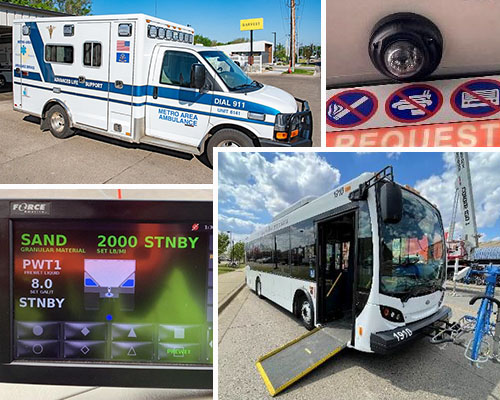 January 8, 2026A comprehensive update with contributions from ATAC researchers includes: new stakeholders (including ATAC), refined service packages that align with MPO objectives, improved clarity and usability, new agreements that strengthen operational reliability, project architecture guidance, and an updated ITS inventory. This collaborative effort with participation from engineering, information technology, public works, and highway departments, emergency management, law enforcement, fire services, ambulance units, highway patrol, and the sheriff’s office played a crucial role in developing a robust, actionable framework to steer the region’s ITS initiatives.
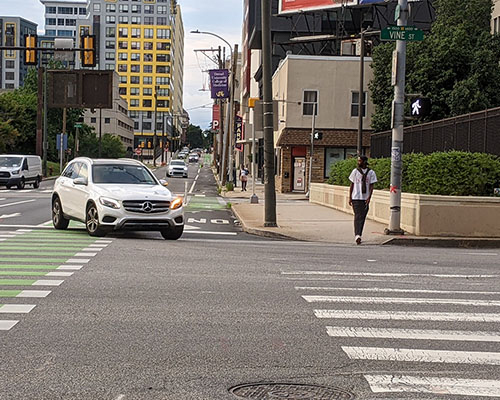 January 2, 2026Researchers at the University of Colorado Denver are recommending changes to how municipalities collect data on signalized intersections so that pedestrian safety can be improved. With the knowledge that pedestrian fatalities account for approximately 17% of road fatalities, and a frightening number of those occur at intersections where pedestrians have the right-of-way, the researchers studied how and where traffic signals for left-turning traffic that provided protection for pedestrians were implemented.
 December 22, 2025Efficient last-mile delivery remains a critical challenge for rural agricultural logistics, globally, particularly in cold-climate regions with dispersed agricultural operations. Truck–drone hybrids can reduce delivery times but face payload limits, cold-weather battery loss, and beyond-visual-line-of-sight regulations.
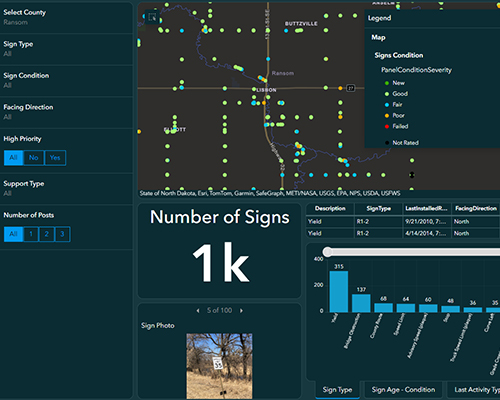 December 12, 2025From road signs and culverts to pavements and roadbeds, North Dakota’s county road superintendents and engineers must make complex decisions about how to use scarce dollars to manage, maintain, and upgrade millions of dollars of transportation assets that are critical to the livelihood and quality of life of area residents. Over the last decade, the Upper Great Plains Transportation Institute (UGPTI), with support from the N.D. Department of Transportation and the N.D. Legislature, has developed an online tool to help guide those decisions.
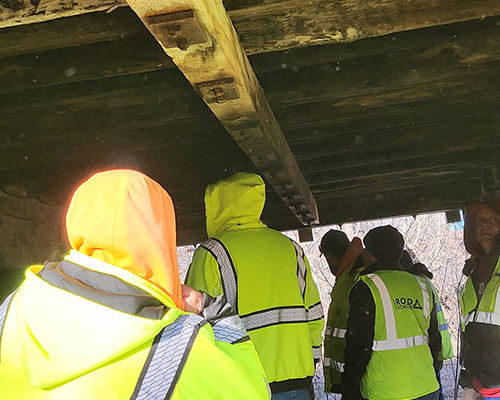 December 11, 2025Local agencies across North Dakota are ensuring that bridges are safe and in service longer thanks to training provided by UGPTI’s North Dakota Local Technical Assistance Program (NDLTAP).
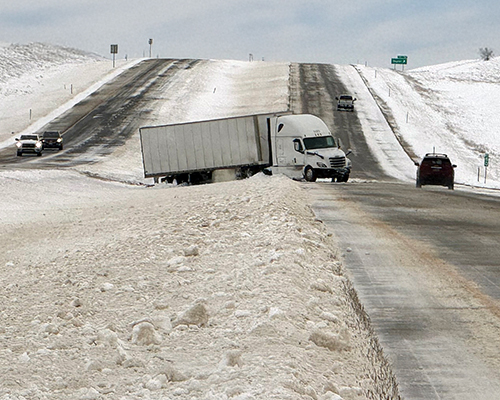 December 9, 2025A closer look at truck crashes during severe winter weather in North Dakota is yielding clues on how to reduce risks and travel disruptions on the state’s interstate highways. The research was conducted by researchers at the Upper Great Plains Transportation Institute at North Dakota State University.
 December 1, 2025Researchers at the University of Colorado Denver found that mobile sensing capabilities found in newer iPhones can be a cost-effective way to assess if sidewalks, curb ramps, and other infrastructure are accessible to those with disabilities.
 November 26, 2025Forget boots — some sidewalks require ice skates. Winter in North Dakota can be beautiful, but ice and snow increase the risk of falling.
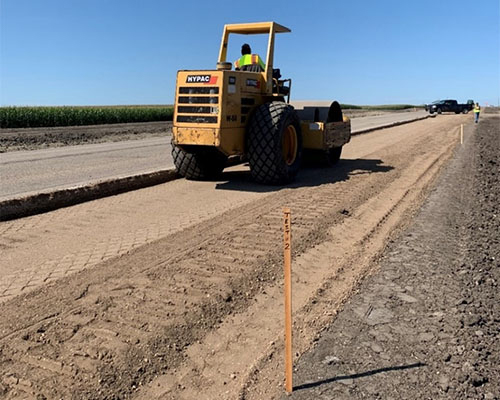 November 21, 2025Research at South Dakota State University is leading to improved compaction of roadway base materials, resulting in time savings, safer testing procedures, and longer-lasting pavements.
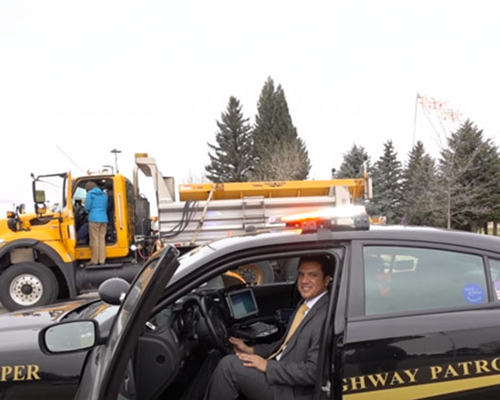 November 20, 2025University of Wyoming researchers used advanced statistical modeling, machine learning, data mining applications, safety data visualizations, high-fidelity driving simulator experiments, and traffic microsimulation modeling to evaluate CV technologies. Their work is a crucial first step in identifying the issues associated with integrating CV technology into roadway operational strategies.
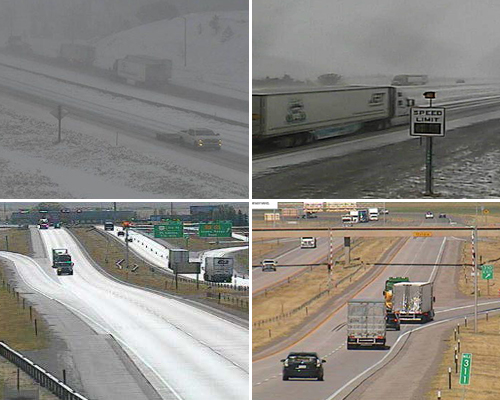 November 6, 2025Research at the University of Wyoming leveraged easily accessible data from roadside cameras to develop an affordable automatic road weather and surface condition detection system. The project’s results will help enhance the Advanced Traveler Information System by improving the identification of weather conditions using existing WYDOT infrastructure.
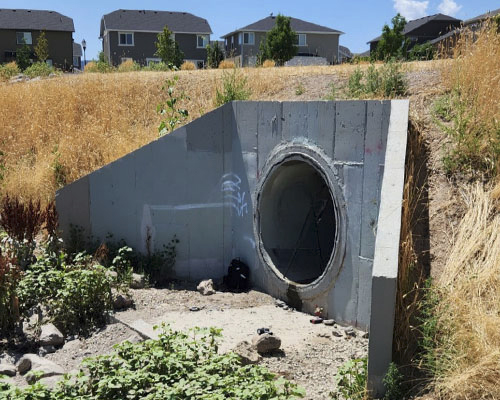 October 31, 2025Research at the University of Utah is providing a scalable, privacy-preserving solution for improving culvert condition prediction. This method will enable transportation agencies to make more data-driven, proactive maintenance decisions.
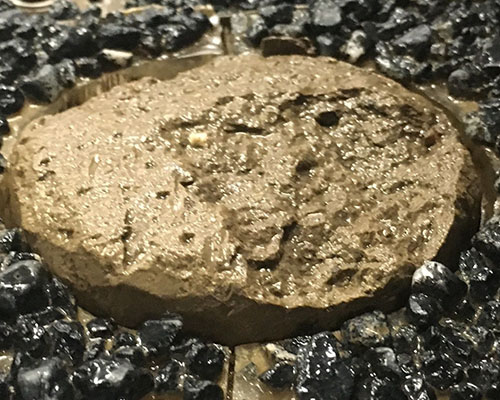 October 16, 2025A new method for improving measurements of soil shear stress, erosion, and scour will help engineers design bridges that are more resilient and longer-lasting.
 October 10, 2025Dr. Kari Finley, a research scholar and Director for the Center for Health and Safety Culture at Montana State University, recently gave a webinar to discover how beliefs shape driving behaviors and how to amplify protective beliefs to improve safety on our roadways. You’ll learn strategies for changing traffic safety culture and get practical guidance to address risky driving behaviors.
 October 10, 2025Bridges are critical nodes in freight networks, yet limited funding prevents agencies from maintaining all structures in good condition. This creates the need for a transparent and scalable method to identify which bridges pose the greatest risk to supply chain continuity.
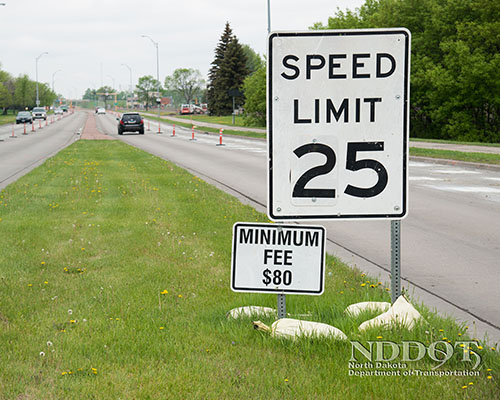 September 30, 2025The statewide driver traffic safety survey provides baseline and longitudinal metrics for the Highway Safety Division and others to use in understanding perceptions and self-reported behaviors related to focus issues. A core set of questions addresses nationally agreed upon priorities, including seat belts, impaired driving, and speeding. In addition to the core issues, questions were included to better understand views on specific programs and attitudes pertinent to North Dakota drivers. Results show that more North Dakota drivers have adopted safe driving practices, but additional efforts are needed to improve safety on the state’s roads.